From playgrounds to digital automation. By day I design physical structures at Holzhof; after hours, I apply that same technical precision to software and automated systems. Real products, built to solve concrete problems.
As a technician at Holzhof, I manage a catalog of over 1000 industrial items. Each product requires up to 23 technical files (CAD, 3D, Manuals, Certifications).
The bottleneck was critical: manual management of over 16,000 files was slowing down the company. Instead of accepting it, I developed an Industrial Automation Suite in Python: an integrated ecosystem that automates the entire document pipeline.
"The result? I reduced batch generation time by 99% (from 100 hours to 2.5 hours) and eliminated transcoding errors."
After seeing the Industrial Automation Suite running on corporate servers, I realized there were no more limits. If I could automate such a complex industrial pipeline, I could bring any idea in my head to life.
Over the last few months, I've refined a rapid and repeatable working method, building prototypes and products outside work hours. I focus on PWAs for their agility, with a workflow oriented toward execution, reducing friction and time between concept and release.
I design robust systems (React, PWA, API), optimizing initial setup to focus immediately on business logic.
I move from concept to working prototype in rapid cycles, integrating AI and automation where they bring real value.
Ready-to-use systems. I design scalable, field-tested software meant to reach production and be used for real.
➜ inventory 30+ repositories: PWA architecture, Industrial IoT, Automation tools
➜ evidence engineering impact: Holzhof Suite (100h → 2.5h), Amunì, RoadGenius
➜ execution workflow focused on constant delivery and stability
➜ physical ESP32 integration, functional 3D parts, industrial design
SUMMARY: Results-oriented execution. Measured time ROI: 97.5%.
// A selection from over 30 software suites and micro-SaaS built in the last 5 months.
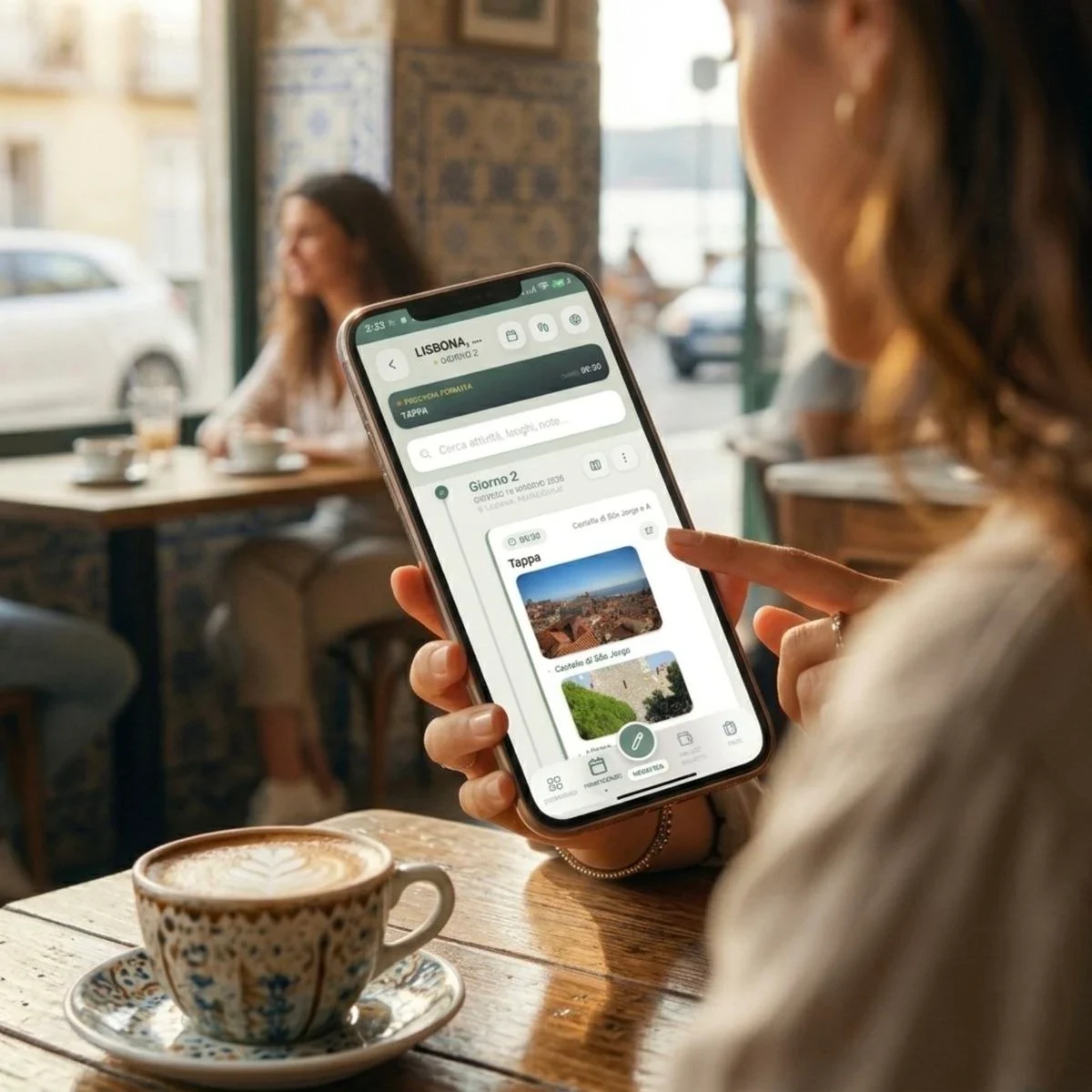
Planning a road trip seemed easy—until stops, expenses, photos, detours, and the inevitable “where did we park?” entered the picture. RoadGenius brings everything together: AI itineraries, an OCR expense tracker, travel memories, and a little gamification. It is available on the web and on Google Play.
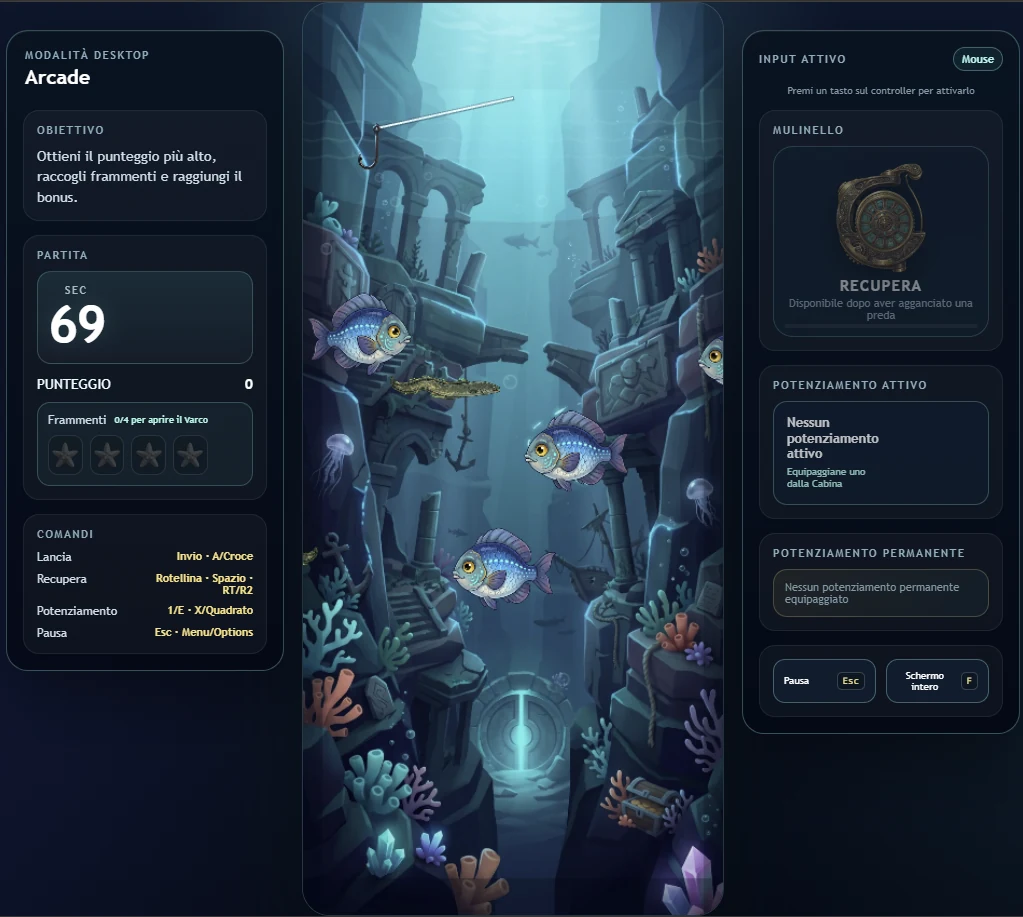
When I created BridgAI, I thought: okay, let’s test it on a game. I like puzzle games, but Tetris has always bored me, and the classic match-three formula needed a serious jolt. So I added ’80s synth music, levels, lasers, EMP bombs, and a frankly unreasonable amount of neon. Neon Alchemy became a fun time-killer without a thousand ads getting in the way.
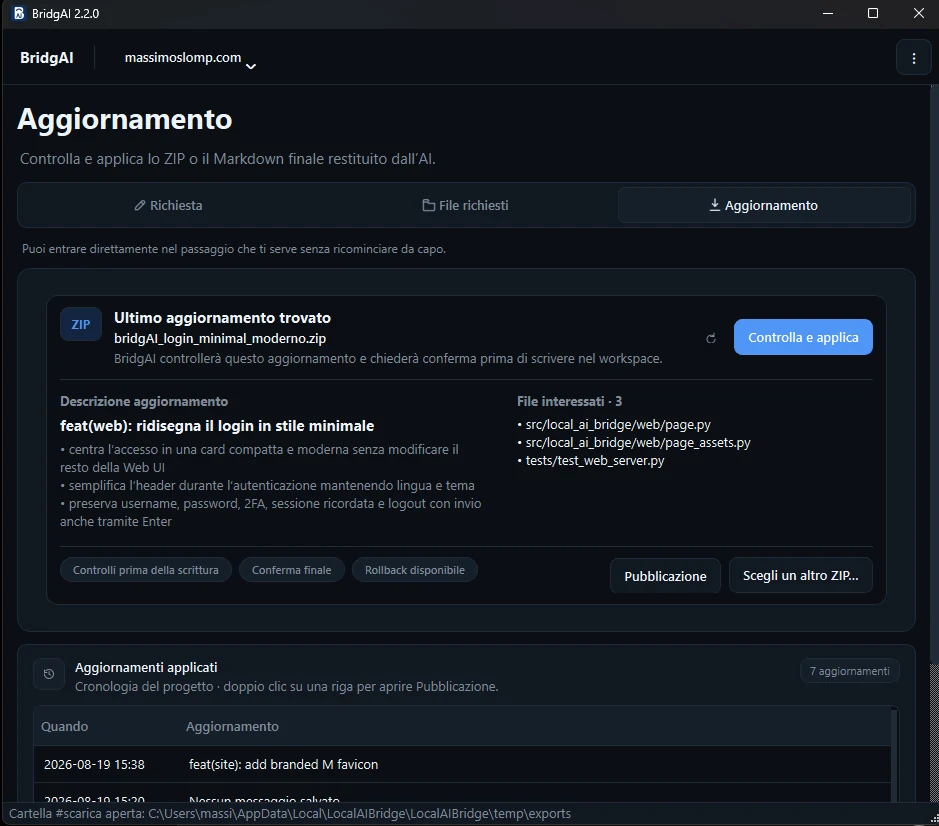
Play NowI was experimenting with AI and vibe coding when I wondered: why not build a program that helps me build other programs? Version 0.1 ended up feeding its own development all the way to 1.1.0. It is open source now; the video tutorial will arrive when making videos stops boring me. Until then, Neon Alchemy and QRelay are already living proof.
Open on GitHubThe internet is full of QR code generators. Then you try to create five dynamic ones and suddenly it feels like you are applying for a mortgage. So I built QRelay: dynamic QR codes, editable destinations, and collaborative management—without having to sell a kidney every time you need one more.
Create a QREvery time I pack a suitcase, I forget something. Naturally, I only notice when I am already too far away to turn back. So I built PackGenius: tell it where you are going, for how long, and what weather to expect, and it prepares a smart checklist. It cannot close the suitcase for you, but at least it helps you avoid leaving without underwear.
Try ToolSmart-Cart began with a small supermarket tragedy: I had a €5 coupon with a €35 minimum spend and would reliably reach the checkout at €34.35. Or at €58, after buying useless things just to cross the threshold. So I built an app that tracks the total, organizes the list, manages categories, stores loyalty cards, and lets you share the shopping with whoever you want. Because saving €5 by spending €23 more is not a brilliant strategy.
Launch AppI like being useful, and what could be better than building a tool for a good cause? I created a management PWA pro bono for Cooperativa Samuele’s catering workshop: it organizes shifts, menus, and bookings, exports data, and provides an overview of operations. Everything in one place, with much less paper lying around.
Open AppI like listening to the radio at the office, but I never found a web player that let me schedule an exact time to switch stations. Maybe I could have searched Google more carefully, but building it myself seemed faster. RadioMaster is lightweight, quick, and changes station when you tell it to. It is nice—give it a try.
Play NowAmunì is the project closest to my idea of a startup: an ecosystem of professional applications available instantly, without unnecessary installations or complications. Tools with the simplicity of the web, the power of a native app, and AI integrated where it is genuinely useful. It is still evolving and, like every ambitious idea, I am still figuring out how far it can go.
Open EcosystemThen there are the other 25 projects. At least there were 25 when I wrote this sentence; by the time you read it, there will probably be many more. Some are experiments, some are tools I genuinely use, and others are ideas that took on a life of their own. If you are interested in what I do, get in touch: there is almost always something new on the workbench.
Want to see more? Write meMy daily work at Holzhof taught me to design, build, and deliver things that must work in the real world. Every day I work with steel, wood, and safety regulations.
In my spare time, I apply the same mindset to digital and electronics. Result: I understand a product from hardware to deployment.